Bicycles are designed to provide reliable transportation, recreation, and exercise. However, when a bicycle contains a defective component or fails because of poor design, improper manufacturing, or inadequate safety warnings, the results can be devastating. A sudden brake failure, cracked frame, broken fork, or defective steering component can cause a rider to lose control and suffer serious injuries.
Many cyclists assume that accidents involving bicycle failures are simply unfortunate events. However, some crashes occur because the bicycle itself was unsafe. When a defective bicycle component causes an accident, the manufacturer, distributor, retailer, or another responsible party may potentially be held accountable through a product liability claim.
A defective bicycle injury lawsuit may help injured riders pursue compensation for medical expenses, lost income, pain and suffering, rehabilitation costs, and other damages. Understanding when a bicycle manufacturer may be responsible can help injured cyclists protect their rights after a serious crash.
How Bicycle Defects Can Cause Serious Injuries
Bicycle accidents can happen for many reasons, including driver negligence, hazardous roads, weather conditions, or rider mistakes. However, a bicycle defect creates a unique type of danger because the equipment itself may fail without warning.
Unlike motor vehicles, bicycles provide very little protection during a collision. Riders are directly exposed when a mechanical failure occurs. A defective part that causes a sudden loss of control can result in catastrophic injuries, including broken bones, spinal cord injuries, traumatic brain injuries, and permanent disabilities.
Brake failures are among the most dangerous bicycle defects. If a rider cannot slow down or stop when approaching traffic, pedestrians, obstacles, or changing road conditions, the risk of a crash increases significantly.
Frame failures can also create serious hazards. Bicycle frames must withstand repeated stress from riding conditions, impacts, weight loads, and normal use. A crack or structural weakness may cause the frame to collapse while the bicycle is moving, throwing the rider onto the roadway.
Internal link opportunity: Link to your existing bicycle accident injury pages about serious bicycle crash injuries and compensation.
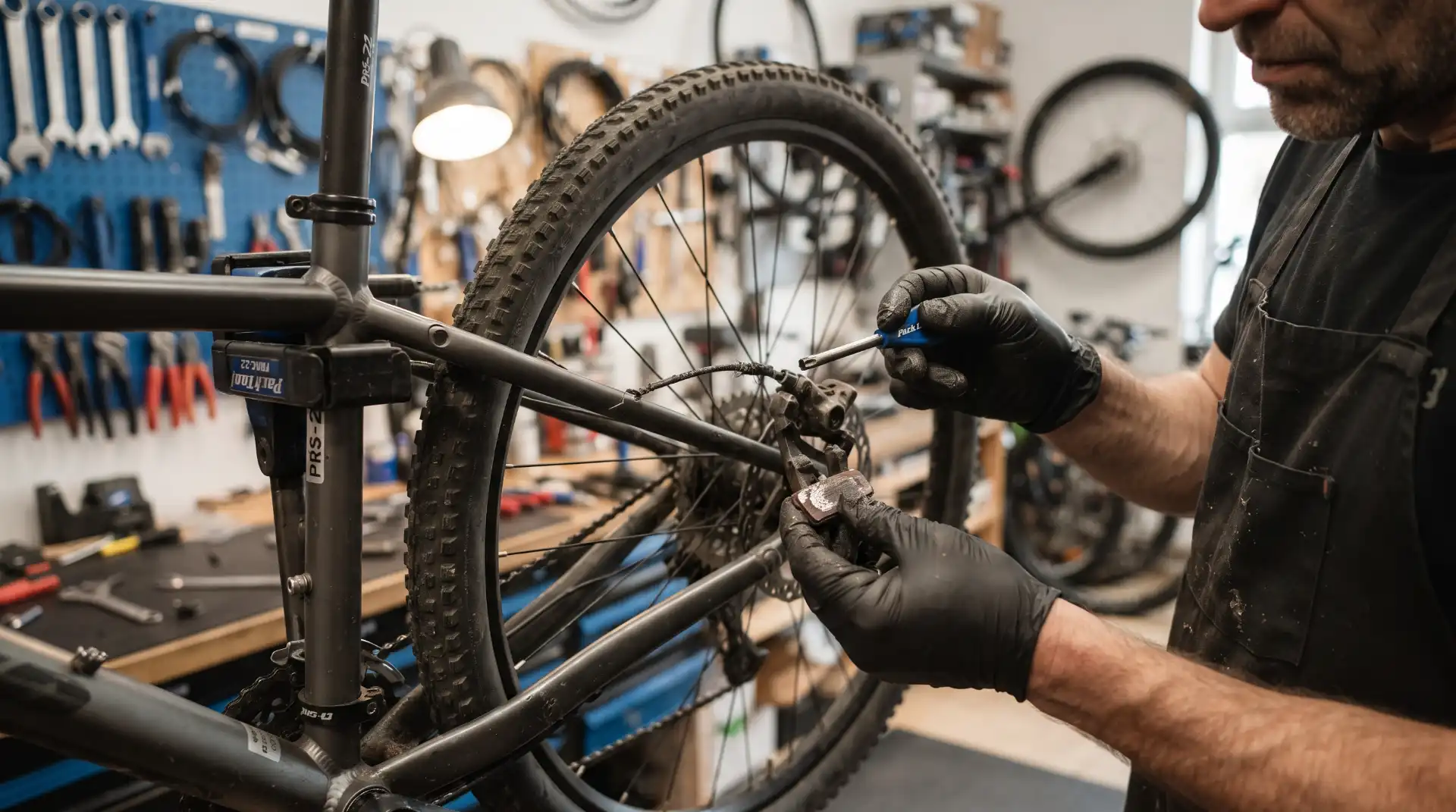
When Can a Bicycle Manufacturer Be Held Liable?
Bicycle manufacturers have a responsibility to produce products that are reasonably safe for consumers. When a company releases a bicycle or component with a dangerous defect, it may be held legally responsible for injuries caused by that failure.
Product liability claims generally involve proving that a defect existed, that the defect caused the accident, and that the accident resulted in damages. The specific legal requirements vary depending on the state where the injury occurred, but defective product cases commonly involve three categories of defects.
Design Defects
A design defect occurs when the basic design of a bicycle or component creates an unreasonable safety risk. In these situations, the problem exists before the product is manufactured because the design itself is unsafe.
For example, a bicycle frame may be designed with materials or dimensions that cannot safely withstand expected riding conditions. A brake system may also have a design flaw that prevents consistent stopping performance.
Manufacturing Defects
A manufacturing defect occurs when a bicycle is incorrectly produced or assembled. The overall design may be safe, but a mistake during manufacturing causes a specific bicycle or component to become dangerous.
Examples may include improper welding, defective carbon fiber construction, incorrectly installed brake systems, faulty bolts, or contaminated materials that weaken bicycle parts.
Failure to Warn or Provide Adequate Instructions
Manufacturers may also face liability when they fail to provide important safety warnings or instructions. Bicycle companies must provide appropriate information about assembly, maintenance, weight limits, product limitations, and potential risks.
If a manufacturer knows about a safety concern but fails to warn consumers, injured riders may have grounds for a product liability claim.
Common Bicycle Defects That May Cause Accidents
Bicycle failures can involve many different components. Some defects are obvious after a crash, while others require professional inspection to identify.
Brake system problems are among the most common concerns. Defective brake pads, damaged cables, improperly designed braking systems, or manufacturing problems can prevent riders from stopping safely.
Frame defects can be especially dangerous because the frame supports the entire bicycle structure. Cracks, weak joints, poor welding, and material failures may cause sudden collapse while riding.
Other potentially dangerous bicycle defects may involve:
- Faulty handlebars or steering components
- Defective wheels or spokes
- Broken forks
- Unsafe pedals or crank systems
- Improperly installed components
- Defective electric bicycle batteries or electrical systems
Determining whether a bicycle defect caused an accident often requires examining the damaged bicycle, maintenance history, accident circumstances, and manufacturer information.
Who May Be Responsible for a Defective Bicycle?
Although manufacturers are often the primary parties involved in defective product claims, other companies may also share responsibility depending on the circumstances.
A bicycle manufacturer may be liable if it designed or produced an unsafe product. A component manufacturer may be responsible if a specific part, such as brakes or frames, contained a defect.
Retailers and distributors may also become involved if they sold unsafe products, improperly assembled bicycles, or failed to provide required warnings.
In some situations, multiple parties may contribute to a bicycle failure. Identifying every responsible party is an important part of investigating a product liability claim.
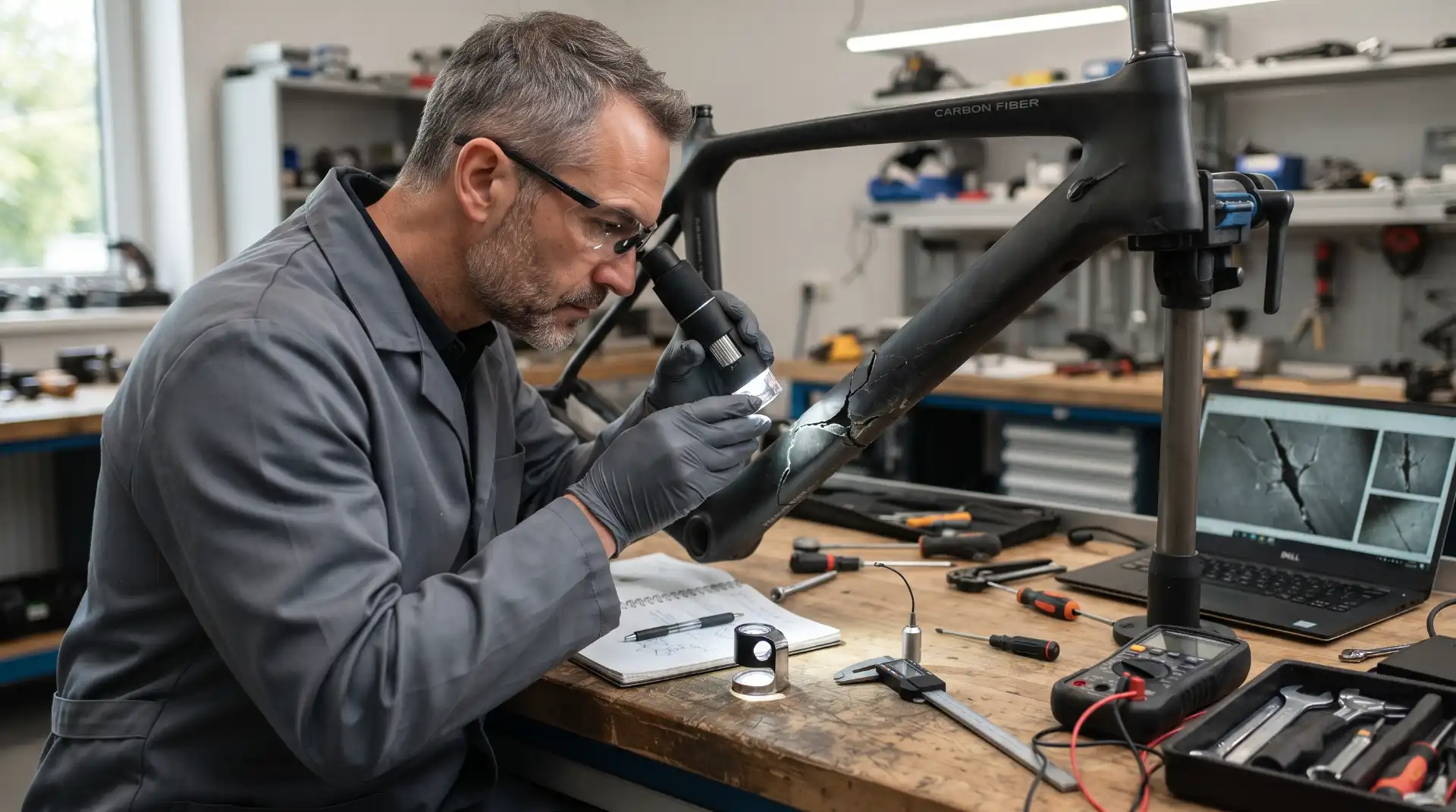
What Evidence Can Support a Defective Bicycle Claim?
Evidence is critical in bicycle product liability cases. After a crash, injured cyclists should avoid repairing, modifying, or discarding the bicycle before it has been properly inspected.
The damaged bicycle itself may provide important evidence. Investigators and engineers may examine broken components, manufacturing marks, fracture points, and other signs of failure.
Other useful evidence may include:
- Photographs and videos of the bicycle after the crash
- Medical records documenting injuries
- Purchase receipts and warranty information
- Maintenance and repair records
- Manufacturer recalls or safety notices
- Witness statements
- Accident reports
Technical experts may also evaluate whether the bicycle failed because of a defect or whether another factor caused the crash.
How Bicycle Recalls Can Affect Injury Claims
Bicycle recalls may provide important information after a crash. If a manufacturer has previously identified a safety problem with a bicycle model or component, that information may become relevant in determining liability.
The U.S. Consumer Product Safety Commission maintains recall information for consumer products, including bicycles and bicycle equipment. Riders can search recall notices to determine whether their bicycle or component has known safety concerns.
External authority resource: U.S. Consumer Product Safety Commission recall database
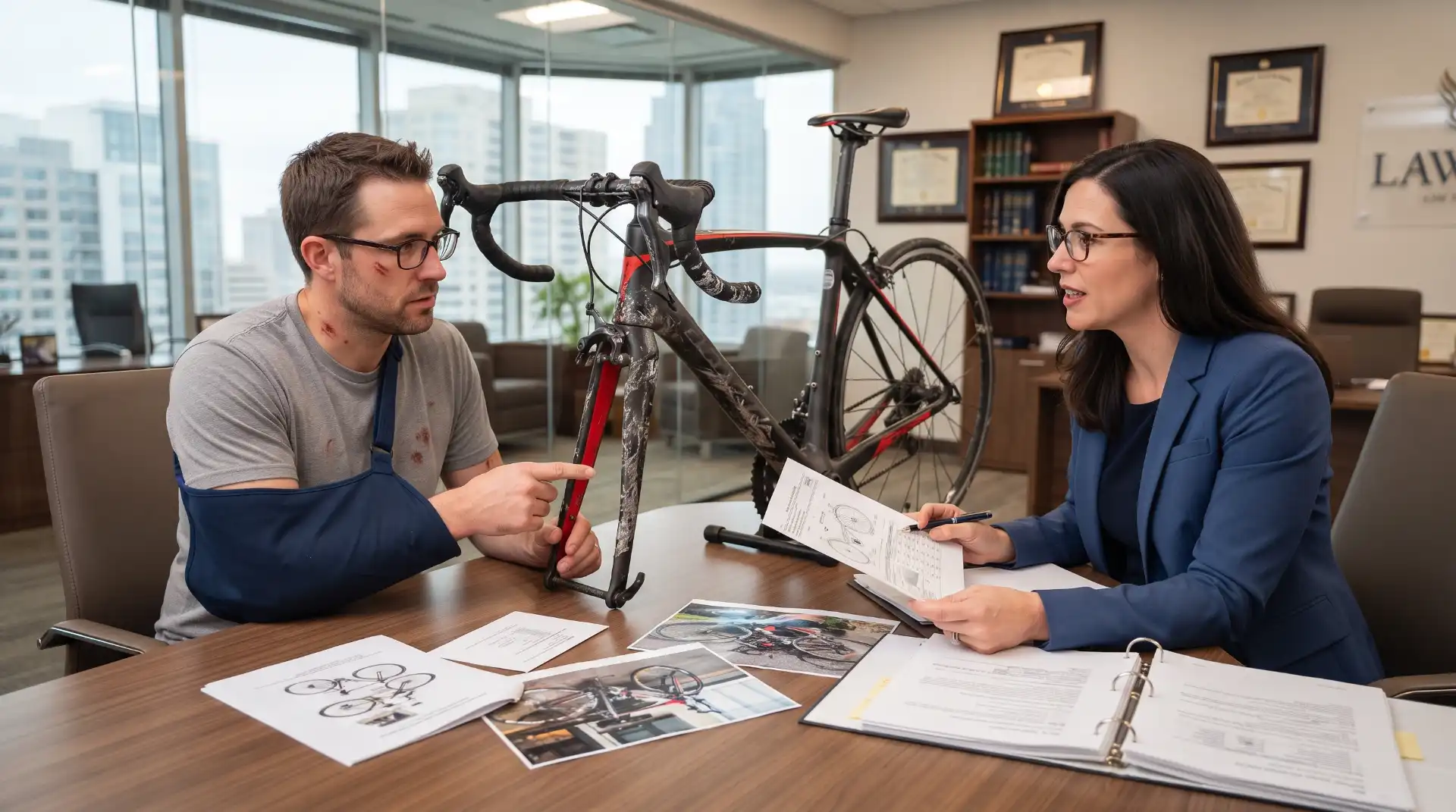
What Compensation May Be Available After a Defective Bicycle Accident?
A defective bicycle accident can result in significant financial and personal losses. Depending on the circumstances, an injured cyclist may seek compensation for damages related to the accident.
Potential compensation may include medical treatment, emergency care, surgery, physical therapy, lost wages, reduced earning ability, property damage, and pain and suffering.
Severe bicycle injuries may require long-term care and rehabilitation. A product liability claim may help injured riders pursue compensation that reflects both current expenses and future consequences of their injuries.
Why You Should Preserve a Defective Bicycle After a Crash
One of the most important steps after a suspected bicycle defect accident is preserving the bicycle and related evidence. Throwing away damaged parts or making repairs may make it more difficult to determine what caused the failure.
Keep the bicycle in the condition it was after the accident whenever possible. Store it in a safe location and avoid allowing modifications until it has been inspected by qualified professionals.
Taking photographs, saving purchase records, and documenting the accident timeline can also help strengthen a potential claim.
How a Bicycle Accident Attorney Can Help With Product Liability Claims
Defective bicycle cases can be complicated because they often involve technical evidence, manufacturers, insurance companies, and product safety standards. An experienced bicycle accident attorney can investigate whether a defective component contributed to the crash.
An attorney may work with engineers, accident reconstruction specialists, and product experts to examine the bicycle and identify potential causes of failure. They can also gather evidence, communicate with manufacturers, and pursue compensation on behalf of injured cyclists.
At Arash Law, our legal team helps injured individuals understand their rights after serious bicycle accidents. If a defective bicycle component contributed to your injuries, speaking with an attorney may help you determine whether you have a potential claim.
Call (888) 488-1391 or complete the “Do I Have A Case?” form to schedule a free initial consultation.
Conclusion
Bicycle manufacturers have a responsibility to create products that are safe for riders. When brake failures, frame defects, or other dangerous components cause accidents, injured cyclists may have legal options through a defective bicycle injury lawsuit.
Understanding the cause of a bicycle failure, preserving evidence, and investigating potential liability are important steps after a serious crash. If a defective bicycle part caused your injuries, a legal professional can help evaluate your options and determine the best path forward.