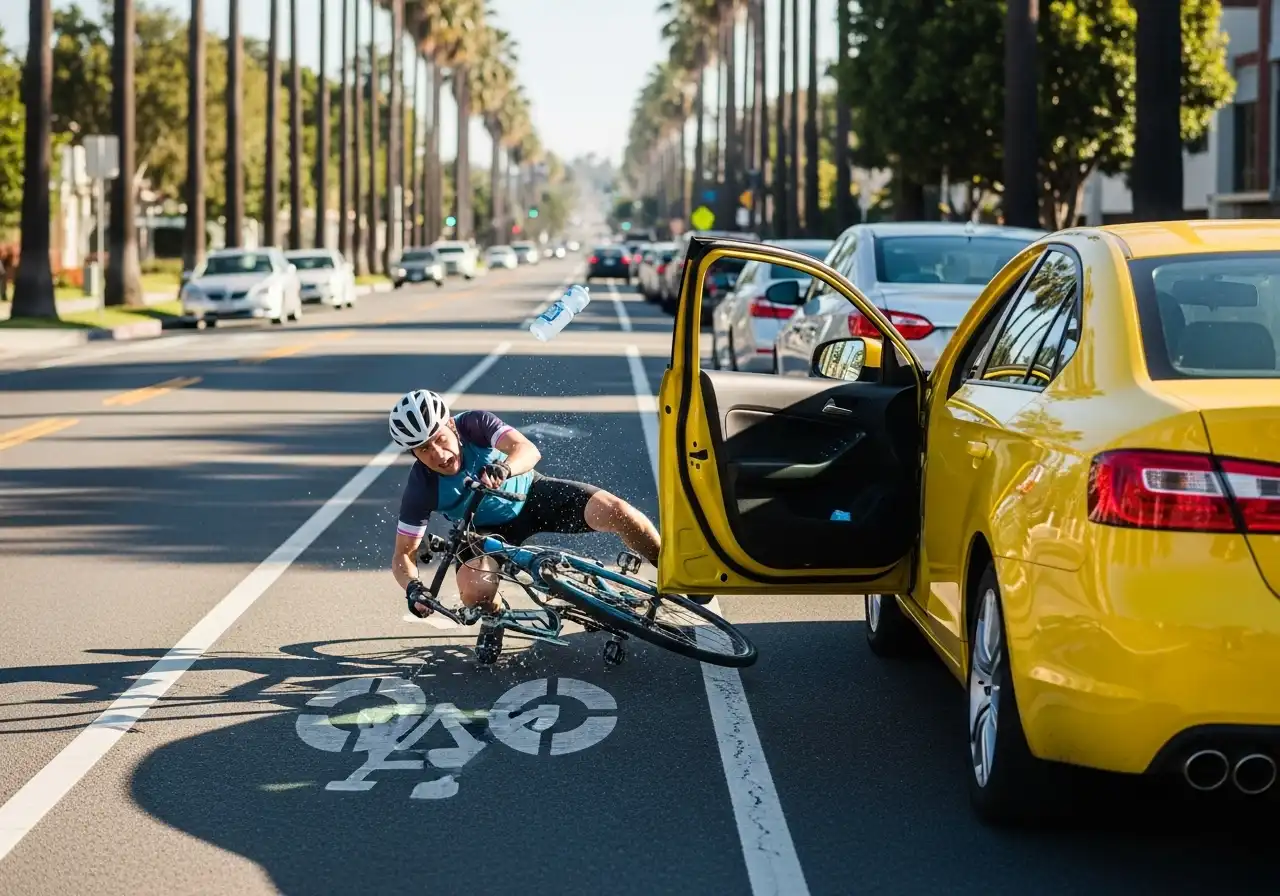
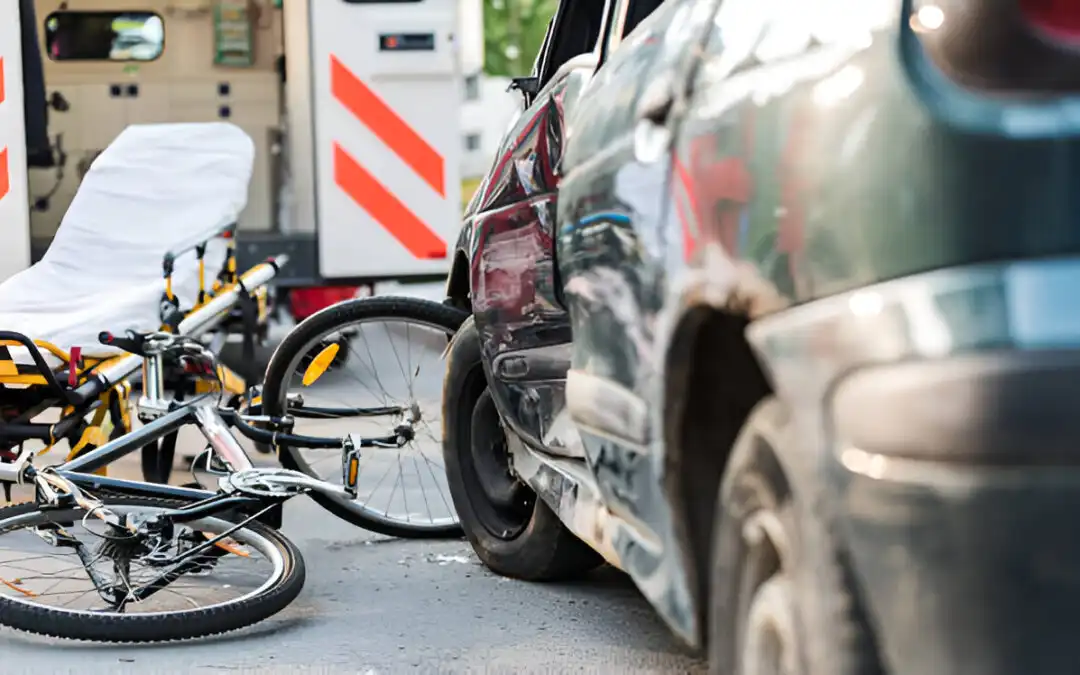
offering convenience, speed, and eco-friendly transportation. However, with this growth comes an increase in accidents, and in particular, head injuries. Whether you are riding a traditional bicycle or an e‑bike, the importance of wearing a helmet has never been more crucial. Helmets can significantly reduce the risk of serious head injuries, and in some cases, they can be life-saving.
This post will explore why helmet use matters more than ever in bicycle and e‑bike crashes, and how proper helmet use can impact your safety and legal rights. We’ll also delve into statistics, helmet regulations, and the legal implications for cyclists involved in accidents.
The Rise in E‑Bike Use and Accidents
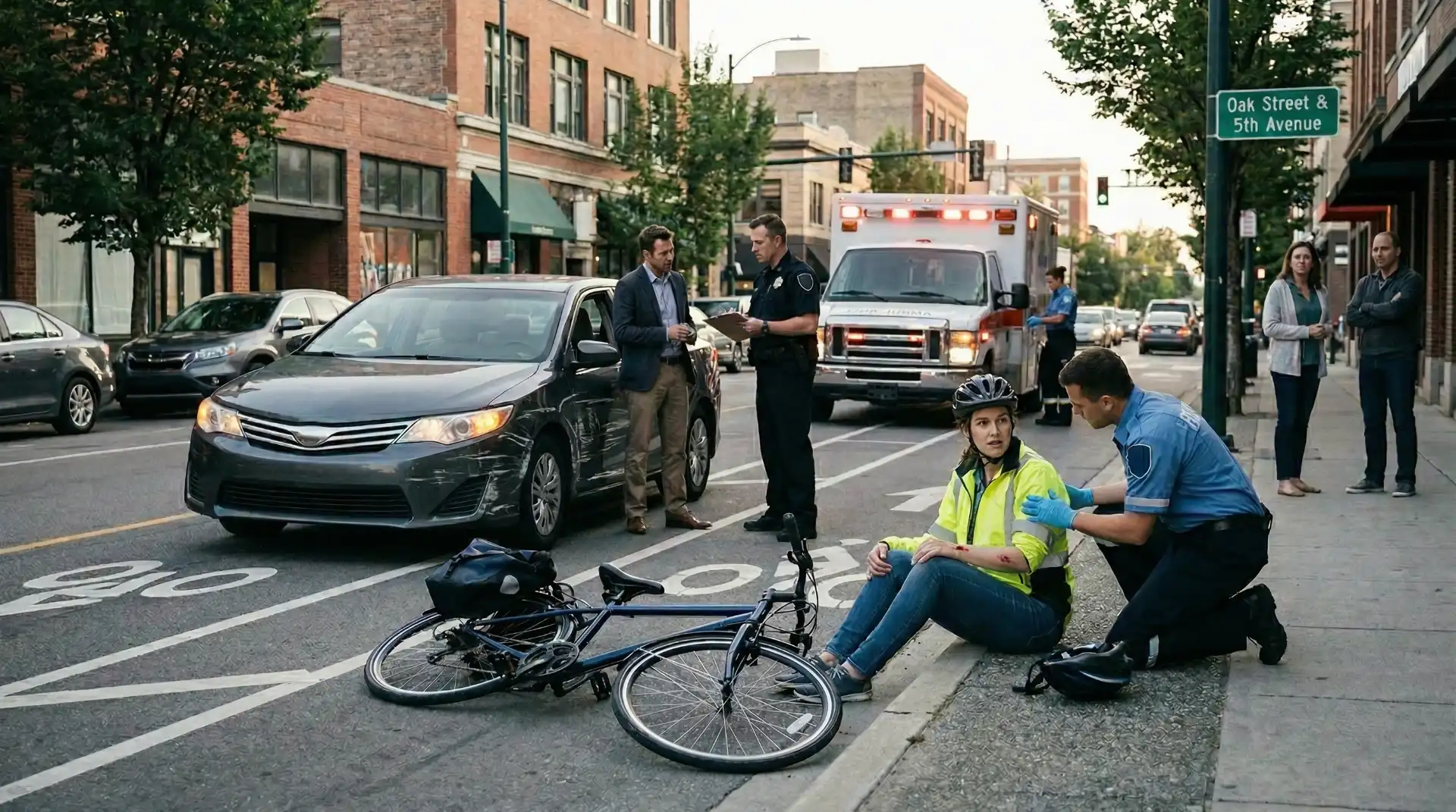
With e‑bikes becoming more popular, especially in urban areas, it’s important to understand the growing risks. In fact, the number of e‑bike-related crashes has been rising steadily, and these bikes often reach speeds greater than traditional bicycles. The combination of higher speed and limited rider experience increases the likelihood of accidents. Cyclists on e‑bikes may not be accustomed to the higher speeds or handling characteristics of these vehicles, making them more prone to injury in the event of a crash.
Recent studies have shown that e‑bike accidents have a higher frequency of serious injuries compared to traditional bicycles. Head injuries are the most common severe injuries in these crashes, underscoring the importance of helmet use.
Key Statistics
- According to the Centers for Disease Control and Prevention (CDC), head injuries account for more than 50% of cycling-related fatalities.
- A study published in JAMA Surgery found that head injuries among e‑bike riders are more severe than those involving traditional cyclists.
- The Insurance Institute for Highway Safety (IIHS) reports that e‑bike crashes often result in higher hospitalization rates due to the increased speed and impact force compared to non-electric bicycles.
These statistics make it clear: riding an e‑bike or a regular bike without a helmet is a risky choice, especially given the high incidence of head injuries in crashes.
How Helmets Protect Cyclists During Crashes
The primary role of a helmet is to absorb and disperse the impact force during a crash, reducing the likelihood of severe brain injuries. Helmets are designed to cushion the head and limit the direct contact between the skull and hard surfaces like pavement, reducing the chances of skull fractures or traumatic brain injuries.
Helmets are particularly critical for cyclists involved in falls, collisions with vehicles, or crashes at high speeds, such as those experienced on e‑bikes. The construction of a helmet typically includes a hard outer shell and an inner foam layer that absorbs impact energy. These materials work together to protect the rider’s skull and brain from direct impact forces.
The more modern designs in helmets offer additional features such as better ventilation, lighter weights, and more adjustable fit systems. These innovations help ensure comfort without compromising safety, making it easier for cyclists to wear helmets consistently.
Common Types of Head Injuries in Bicycle and E‑Bike Accidents
Head injuries from bicycle and e‑bike accidents can vary in severity. Some of the most common types include:
- Concussions:
A concussion occurs when the brain moves within the skull, often resulting in temporary loss of consciousness or cognitive function. While concussions are not always fatal, they can lead to long-term health issues such as headaches, dizziness, and memory problems. Wearing a helmet helps to reduce the risk of concussions by absorbing the impact forces during a crash. - Skull Fractures:
Skull fractures occur when there is a direct impact to the head, such as when a cyclist falls and strikes their head on the pavement or a hard surface. Helmets significantly reduce the chances of skull fractures, which can lead to permanent brain damage or death. - Traumatic Brain Injuries (TBI):
TBIs are one of the most serious consequences of bicycle accidents, and they can lead to long-term disability or even death. A TBI occurs when there is a severe impact to the head, causing brain tissue damage. Helmets are crucial in reducing the likelihood of TBIs by providing cushioning and distributing impact forces.

Legal Implications of Not Wearing a Helmet
In many states, laws exist that require cyclists to wear helmets, particularly for younger riders. However, whether or not a helmet is legally required, wearing one has significant legal implications, especially in the case of accidents.
- Contributory Negligence:
In some personal injury cases, if a cyclist is injured and wasn’t wearing a helmet, it could impact the outcome of their claim. In states with contributory negligence laws, the fact that the cyclist wasn’t wearing a helmet could be used as evidence that they were partially responsible for their injuries, reducing their compensation. - Liability in Accidents:
In legal cases where another party is responsible for the accident (such as a motor vehicle driver), not wearing a helmet may complicate the case. While not wearing a helmet doesn’t negate the other party’s liability, it can affect the damages awarded to the cyclist in certain states, especially when helmet use is mandated by law. - Insurance Claims:
Cyclists who don’t wear helmets may face more scrutiny during the claims process. Insurance adjusters might question the severity of the injuries or argue that the lack of a helmet contributed to the extent of the injury. However, this is highly dependent on state laws and individual insurance policies.
To avoid these potential legal issues, it’s always best for cyclists to wear a helmet, both for safety and for protecting their legal rights.
Helmet Use Laws Across the United States
Each state has different laws regarding helmet use, with some mandating helmets for all cyclists, while others require them only for minors. The following are general trends in helmet laws:
- States with Universal Helmet Laws:
States like California and New York have laws that require all cyclists, regardless of age, to wear a helmet when riding on public roads. These laws are designed to protect cyclists from head injuries, which are a leading cause of death in bicycle crashes. - States with Partial Helmet Laws:
Some states, such as Florida and Texas, have laws that only require helmet use for cyclists under a certain age. Riders above that age are not legally required to wear a helmet, but they are still highly encouraged to do so. - States with No Helmet Laws:
A few states, including South Dakota and Idaho, have no statewide laws regarding helmet use, leaving the decision up to the individual rider. While these states may not mandate helmets, cyclists should still wear one for their safety.
Despite the legal variations, wearing a helmet is the best way to protect yourself from serious injury, regardless of local laws.

Tips for Choosing the Right Helmet
When it comes to selecting the right helmet, there are a few key factors to consider:
- Fit:
A helmet should fit snugly on the head without being too tight. It should sit level on your head, covering your forehead without tilting forward or backward. - Certification:
Ensure that the helmet meets safety standards set by organizations such as the Consumer Product Safety Commission (CPSC) or the European CE standard. - Ventilation:
A well-ventilated helmet can improve comfort during long rides, especially in warm weather. - Visor:
Some helmets come with visors that protect your eyes from the sun and rain, which can be particularly helpful for cyclists who ride during the day. - Weight:
Lighter helmets tend to be more comfortable for longer rides but should still provide adequate protection.
How to Encourage Helmet Use Among Cyclists
Despite the clear benefits of helmet use, many cyclists still ride without them. To promote safer riding habits, it’s essential to encourage helmet use through education, legislation, and community support:
- Education and Awareness:
Highlight the importance of helmet use through awareness campaigns, showing the benefits and impact helmets can have on reducing injuries and fatalities. - Community Programs:
Some cities offer helmet giveaway programs for children and young adults, helping make helmets more accessible and affordable. - Incentives:
Offer discounts or rewards for cyclists who wear helmets, such as partnerships with local bike shops or insurance discounts.
Conclusion: Helmet Use Is a Small Step for Big Protection
In conclusion, helmet use is one of the most effective ways to protect yourself in the event of a crash. Whether you’re riding a traditional bicycle or an e‑bike, helmets can significantly reduce the severity of head injuries. Given the rising rates of accidents, especially involving e‑bikes, wearing a helmet has never been more important. Helmets are a simple, cost-effective way to increase your safety on the road and ensure you have the protection you need to stay safe.