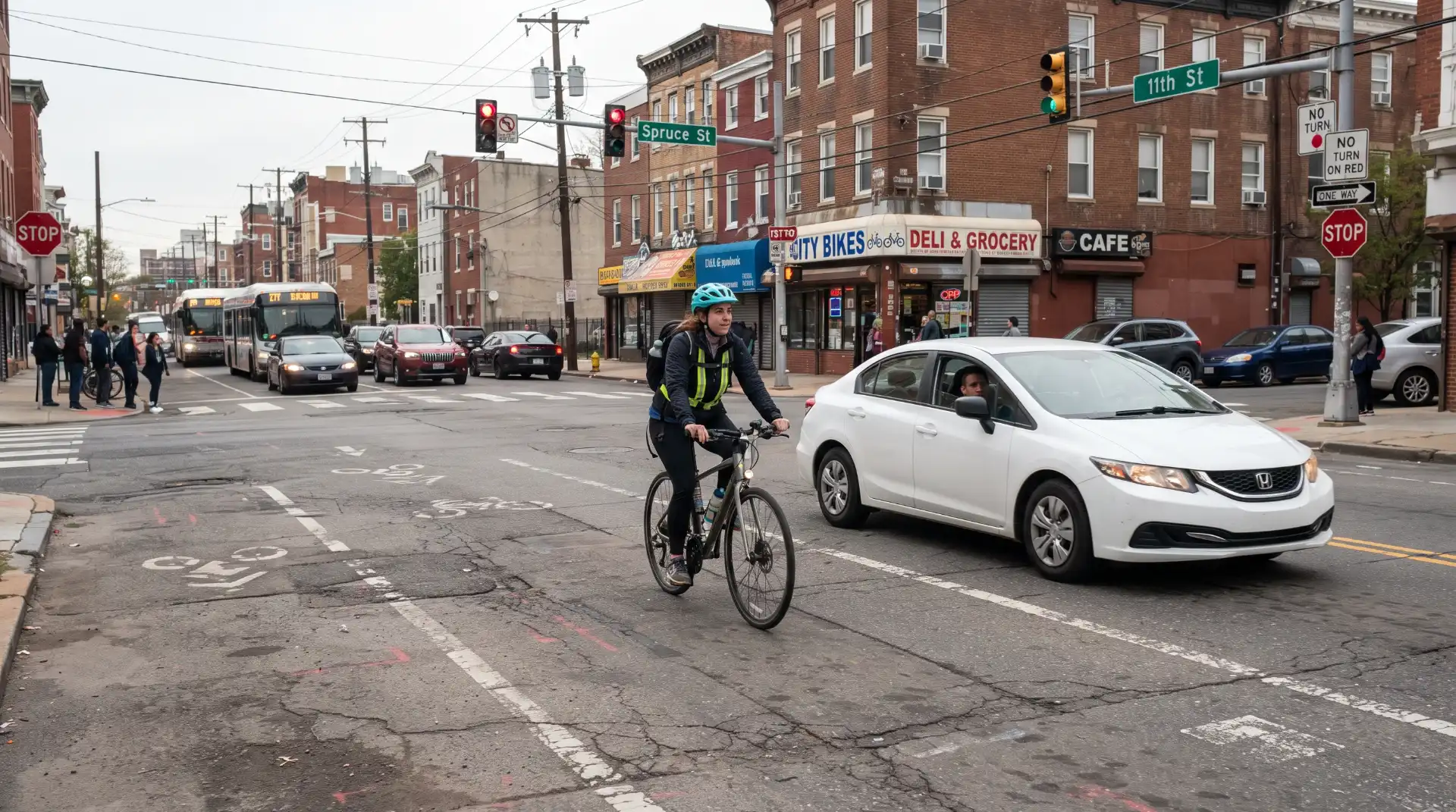
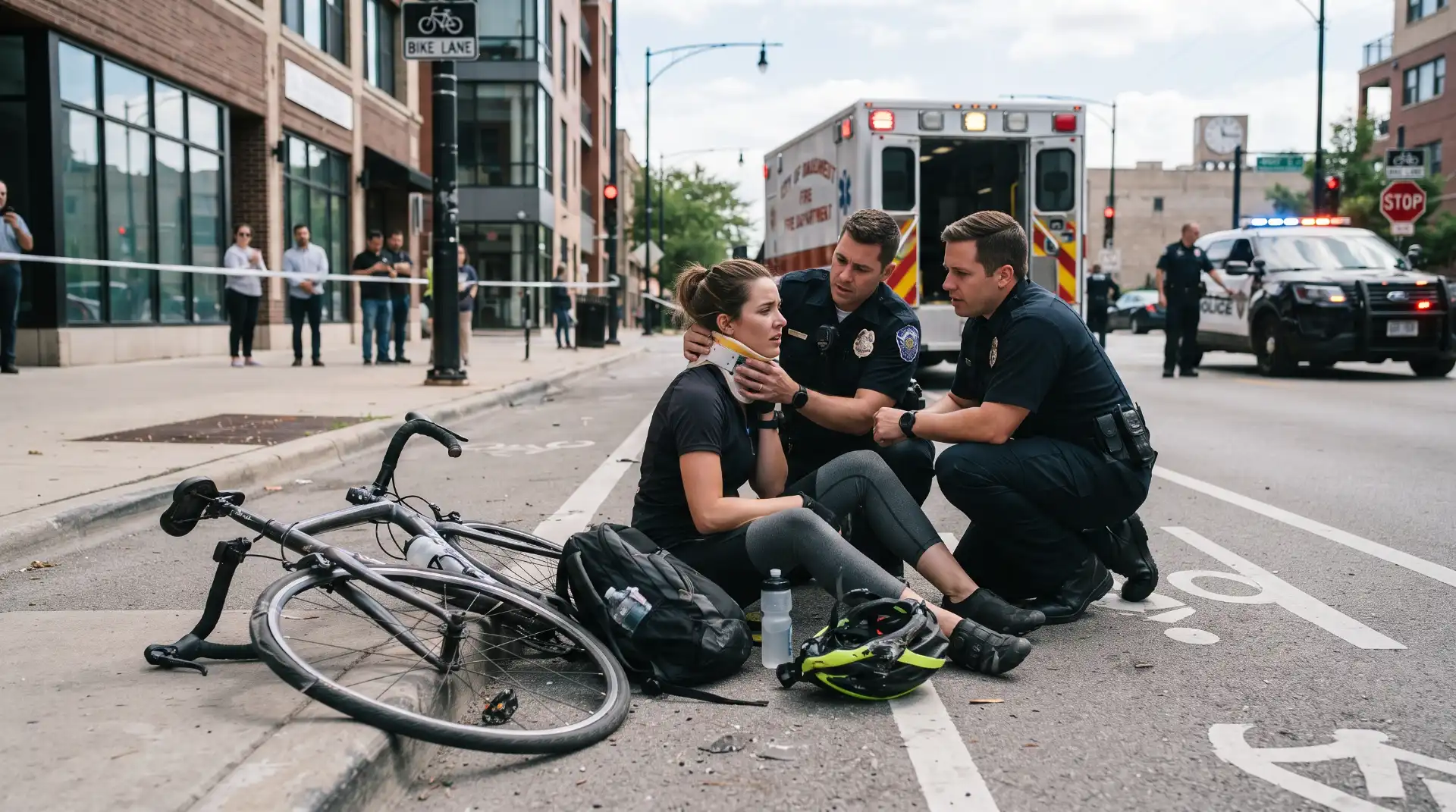
E-bikes are everywhere now. Riders use them for school, work, errands, exercise, and short trips around town. That growth has made cycling more accessible, but it has also created a serious legal problem. More e-bike riders on the road means more crashes, more injuries, and more disputes over fault.
In California, this issue matters even more in 2026 because the law now requires electric bicycles to have a rear red reflector or a solid or flashing red rear light with a built-in reflector during all hours of operation. That change may sound small, but it can matter a lot after a crash. Insurance companies may try to use visibility issues to shift blame to the rider, even when the real cause was a careless driver.
This is especially important when a teenager gets hurt. A lot of e-bike crashes involve younger riders who may have less road experience, while drivers often misjudge how fast an e-bike is moving. After a collision, families are left dealing with medical treatment, missed school, financial pressure, and the question that always comes next: who is legally responsible?
That is why e-bike injury claims California riders face in 2026 deserve closer attention. These cases are not just about traffic rules. They are about proving what happened, preserving evidence early, and stopping insurers from turning a preventable crash into a blame-the-cyclist case.
This topic also fits naturally with the issues already covered on this site, including Understanding Bicycle Accident Laws: Your Rights and Legal Options, The Importance of Getting Medical Help After a Bicycle Accident, and Bicycle Accident Injuries: What You Should Know About Compensation.
Why e-bike injury claims are becoming more important in California
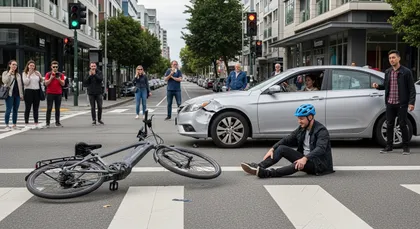
E-bike crashes are getting more legal attention because they combine several risk factors at once. Riders travel faster than on traditional bicycles. Drivers often fail to judge e-bike speed correctly. Younger riders use them more often. And when a crash happens, people still argue over whether the rider should be treated like a bicyclist, a reckless teen, or something in between.
California’s new 2026 visibility rule changes the conversation
California’s 2026 e-bike equipment law matters because it puts visibility at the center of safety. Riders must now have a rear red reflector or a qualifying rear light with a built-in reflector during all hours of operation, not just at night. That means defense attorneys and insurance companies may look at rear visibility more aggressively after a crash.
Why insurers may focus on reflector and lighting issues
If a driver hits an e-bike rider from behind or during a turn, the insurer may argue the rider was harder to see because the bike lacked the required reflector or light. That does not automatically defeat the claim, but it can become part of a comparative fault argument.
Why the rule does not let drivers off the hook
A visibility issue does not erase a driver’s duty to watch the road, yield when required, avoid distracted driving, and respect cyclists using the roadway. A driver who turns without checking, follows too closely, or drifts into a rider’s path can still be liable even if the defense tries to make the equipment issue the whole story.
That is the key point families need to understand. A rule violation may be relevant, but it is not the same as full responsibility for the crash.
Teen riders face a different level of injury risk
Teen e-bike crashes get extra attention because younger riders often face a mix of high speed, limited experience, and driver misunderstanding. Parents may think an e-bike is basically a regular bicycle with a motor. In reality, the added speed and weight can make injuries much worse after impact.
Higher speeds increase crash severity
When an e-bike rider gets hit by a car, thrown over the handlebars, or loses control on pavement, the injuries can be severe. Concussions, facial trauma, fractures, shoulder injuries, spinal injuries, and long-term pain are all possible.
Drivers often misjudge how quickly an e-bike reaches them
That problem shows up at intersections, in driveways, and during left turns. A driver may think there is enough time to pull out or turn across traffic. Then the rider arrives faster than expected, and the crash happens in seconds.
That same issue often appears in car-dooring cases too. A driver or passenger opens a door without checking for an approaching cyclist, and the rider has no time to avoid impact. That makes this a strong place to link to Legal Rights of Cyclists in the Event of a Car Dooring Accident.
Who may be liable and what evidence can make or break the case

E-bike injury claims often look simple at first, but they rarely stay that way. The driver may blame the rider. The rider’s age may become part of the argument. The insurer may focus on equipment, speed, or road position. That is why these cases usually turn on the details.
Liability often starts with driver negligence
Many e-bike injury claims still come down to ordinary driver carelessness. A motorist fails to yield, turns across the rider’s path, opens a door into traffic, passes too closely, or looks at a phone instead of the road. Those are familiar negligence patterns, even if the injured cyclist was riding an electric bike instead of a traditional one.
Common driver errors in e-bike crashes
Unsafe left turns, right-hook collisions, rear-end impacts, driveway exits, and dooring accidents remain some of the most common situations. In each of these, the driver’s duty to pay attention still matters more than the excuse that the rider “came out of nowhere.”
When comparative fault becomes part of the case
The defense may argue the rider lacked proper visibility equipment, was traveling too fast for conditions, or was not riding predictably. California comparative fault rules can reduce recovery if the evidence supports shared blame, but they do not automatically bar the injured person from recovering damages.
That is why early legal analysis matters. It helps separate a real shared-fault issue from a weak blame-shifting tactic.
Evidence matters more than opinions after the crash
After an e-bike collision, the strongest cases usually come from the best-preserved evidence. That starts at the scene. If possible, take photos of the bike, the car, the roadway, traffic signs, lane markings, skid marks, damage points, and the surrounding area. If the rider had the required rear reflector or rear light, document it immediately.
Video can be even more valuable. Doorbell cameras, dashcams, security footage, and helmet cameras may show the rider’s path, the driver’s movement, and the exact moment of impact. This kind of evidence can destroy the common defense argument that the cyclist behaved unpredictably.
Medical documentation can strengthen the claim
Medical records matter from day one. Families should not assume an apparently minor injury will stay minor. Head injuries, soft-tissue damage, fractures, and back injuries can become more serious over time. Prompt treatment also helps connect the injuries to the crash.
That makes it smart to direct readers to The Importance of Getting Medical Help After a Bicycle Accident and Bicycle Accident Injuries: What You Should Know About Compensation.
Witnesses matter too. A neutral witness may confirm that the driver turned suddenly, opened a door without looking, or failed to yield. That testimony can carry real weight when the insurer tries to portray the rider as the problem.
The role of an attorney also becomes more important when the injured rider is a minor. A teenager may not know what to say to insurance adjusters. Parents may not know what evidence to preserve. Early legal help can keep the case focused on the facts instead of the assumptions people make about e-bikes. That gives you a natural internal link to How a Bicycle Accident Attorney Can Help You Win Your Case.
For outside authority, readers can review the California Highway Patrol’s 2026 public safety law summary for the current e-bike reflector rule and the U.S. Consumer Product Safety Commission report for broader injury trend data.
The bottom line is simple. E-bike injury claims California families face in 2026 are not routine bicycle cases anymore. They sit at the center of new safety laws, rising teen injury concerns, and aggressive insurance blame tactics. When a driver causes the crash, the rider should not carry the full weight of that mistake just because the bike was electric.
If an e-bike crash happens, act fast. Preserve the bike, photograph everything, save video, identify witnesses, and get medical care right away. The sooner the evidence is secured, the harder it becomes for the other side to rewrite what really happened.